

Under the shortage of containers, the country allows containers to be used back and forth, and the containers do not have to be returned to the port after unloading, greatly shortening the delivery time.
Release time:
2020-10-30 13:43
Source:
Search air network
Due to the recent serious shortage of containers in Asia, at the request of shippers, the Government of Bangladesh has approved the use of containers back and forth, which is expected to significantly reduce delivery time and save transportation costs.
Usually, the importer must return the empty container to the container freight depot near Chittagong after unloading in the warehouse or factory. However, when cargo owners need containers to be loaded with goods for export, they must return the containers, which means costs and road congestion.
It is reported that Bangladesh will initially allow the use of round-trip containers in factories in export processing zones (EPZ), and it is expected that this practice will be extended to factories across Bangladesh. The new rules are expected to save costs and boost trade.
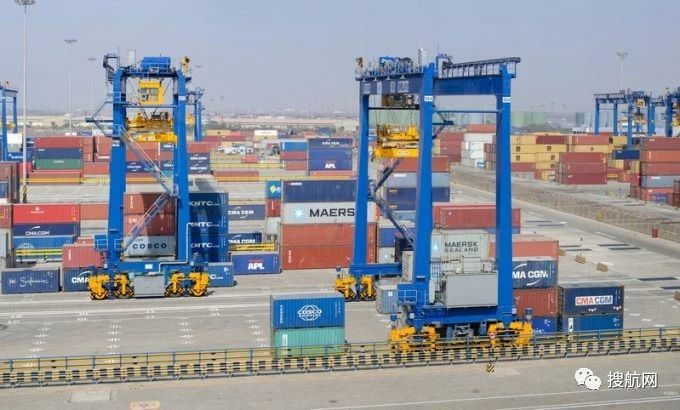
Delivery times remain a major issue for shippers in Bangladesh, especially in the garment industry, as their main destinations are Western countries. Bangladesh is the world's second largest garment exporter.
The new "round-trip container" rule of Bangladesh Customs means that containers imported by factories in the export processing zone will be stored there instead of being sent back to the port yard. Shippers who want to export can use these boxes.
Both shippers and carriers welcome this approach. Murshedy Abdus Salam, president of the Bangladesh Exporters Association, said the rule would help reduce business costs significantly.And adding that the decision should have been made long ago, "in addition to factories outside the export processing zone, this provision should also be extended to the national supply."
Mohammed Abdullah Jahir, chairman of the Bangladesh Shipping Agents Association, said that "round-trip container" is a good concept, but it will take some time for it to become common practice in Bangladesh as a new concept.
Jahir added, "If the factory can use the same shipping company and the same size container, this regulation will bring good results."
Mohammad Ahsanuzzaman, deputy director of Yangming Shipping's local agent Transmarine Logistics, said that the rules for container transportation need clearer coordination among stakeholders to achieve the desired results of all parties involved.
He said: "This is indeed a major measure to reduce costs and avoid some of the hassle of taking containers and picking up goods, but it requires synchronization between the consignee, the shipper and the carrier."
Ahsanuzzaman believe that this idea will be very effective if a factory uses the same shipping company for import and export trade, and the planned time for the export of goods is close to the delivery date of the cabinet.
otherwise,Factories may be charged a demurrage fee for storing containers in the plant. Even if it specifies the unpacking date of the import container, this still requires the goods to be ready for export for transport by the same shipping company.
He said that under normal circumstances, the shipping companies for import and export are different for specific factories, which may restrict exporters from choosing suitable/intact/sea containers to ship valuable goods, because in the export processing zone/factory building Inside, the cleaning and maintenance of containers may be restricted.
In addition, there is another challenge. Shipping companies need to get a commitment from the importing factory, which may hand over the boxes to the exporting factory. "Therefore, any losses caused during this transition period need to be clearly held accountable." Ahsanuzzaman said.
"The EPZ authorities can address these problems by setting up waiting pools/areas for containers entering the EPZ so that containers can be reserved for carriers/factories with imminent export orders. This can at least shorten the time for picking up goods from the depots." He added.
Container, Bangladesh, Transportation